


RBI says no immediate UPI charges for users; polymer currency notes targeted by FY28
05:12PM Thu 6 Aug, 2026
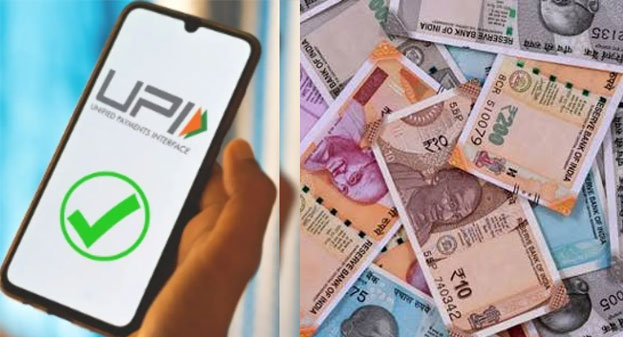
Mumbai, Aug 6: Reserve Bank of India (RBI) Governor Sanjay Malhotra on Wednesday clarified that there is no immediate proposal to impose charges on Unified Payments Interface (UPI) users, while also announcing that the central bank is targeting the introduction of polymer currency notes by FY28 after successful field trials.
Addressing reporters after the Monetary Policy Committee (MPC) meeting, Malhotra said maintaining India's rapidly expanding digital payments infrastructure involves costs, but if Merchant Discount Rate (MDR) is introduced in the future, the burden is unlikely to fall on customers. Instead, it could be borne by merchants, the government, or other parts of the economic system.
His clarification came amid speculation following the introduction of the Payment and Settlement Systems Amendment Bill in Parliament. Malhotra said the proposed legislation neither mentions UPI specifically nor prescribes any MDR rate or transaction threshold. He also dismissed reports suggesting a 0.5% MDR on UPI transactions above Rs 2,000, saying no such proposal has been finalised.
He added that small-value transactions, including payments for daily essentials and person-to-person (P2P) transfers, are expected to remain free even if a framework for MDR is introduced in the future.
On currency, Malhotra said the RBI is conducting field trials of polymer banknotes and aims to introduce them by FY28, subject to the outcome of the pilot programme.
The Finance Ministry recently informed Parliament that the government has approved RBI's proposal to conduct field trials of polymer Rs 10 and Rs 20 notes. As part of the pilot, the central bank plans to issue one billion notes of each denomination to evaluate their durability and suitability under Indian conditions.
According to the RBI, polymer notes are more durable than conventional paper currency, reduce replacement costs, and offer enhanced security features such as transparent windows and improved anti-counterfeiting elements. The central bank clarified that polymer notes, if introduced, will circulate alongside existing paper currency, with any wider rollout depending on the results of the ongoing trials.
Photos