



K'taka Assembly passes Sakaala amendment bill; errant officials to face fine for delaying govt work
05:23PM Thu 27 Aug, 2026
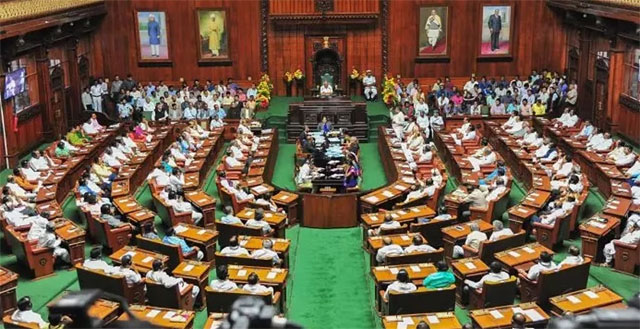
Bengaluru, Aug 27: The state government has taken a significant step to put an end to the irresponsible behaviour of officials who delay public work. Through the Karnataka Sakaala Services (Amendment) Bill, the government will now impose a maximum financial penalty of Rs 500 per application on government employees who delay providing services or clearing applications.
On the final day of the legislative assembly session, 10 bills were passed in a span of just 36 minutes without any debate, including the Sakaala amendment bill. To ensure that appeals falling under the purview of Sakaala do not get entangled in lengthy court processes and are resolved swiftly within the department, civil courts have been barred from intervening or passing judgements in matters legally belonging to Sakaala authorities.
New system for e-registration of properties
The assembly also passed an amendment bill to the Registration Act, allowing property registrations to take place without the physical presence of both parties at the sub-registrar's office. This bill replaces a similar one introduced in 2024 and introduces new clauses.
Under the new rules, it is mandatory to provide proof that the person granting the power of attorney is alive. Furthermore, sub-registrars have been granted the authority to reject the registration of properties if the original documents are not available digitally through an integrated database. A centralized virtual delivery system is also being implemented to issue certified copies to the public without delay.
Land Revenue and Commercial Establishments Acts
Through the Karnataka Land Revenue (Amendment) Bill, the government has acquired the authority to appoint any officer to conduct investigations. The bill also provides precise definitions for incitement, fraud, and the creation of fake documents.
Additionally, amendments to the Shops and Commercial Establishments Act have been approved, allowing for the digital payment of fees and simplifying rules to promote ease of doing business.
Photos