


Huge drop in Muslim voters in Karnataka after SIR, 13.48 lac names deleted
08:08PM Wed 11 Nov, 2026
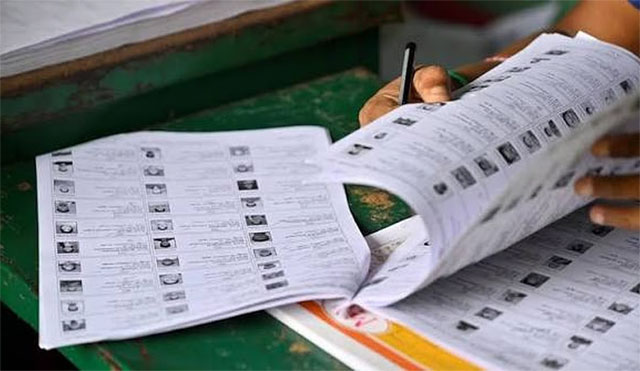
Bengaluru, Nov 11: Following the recent Special Intensive Revision (SIR) of the electoral rolls in Karnataka, a massive drop in the number of registered voters has been recorded across the state.
The revision process has resulted in the deletion of a staggering 13.48 lac (18.84 percent) Muslim voters from the electoral list, a development that has sparked widespread discussions in political circles.
Before the SIR process, the state had 71.56 lac Muslim voters, which has now dropped to 58.08 lac. The reduction is not limited to Muslim voters alone; the number of non-Muslim voters has also witnessed a significant decline, dropping from 4.82 crore to 3.96 crore—a reduction of nearly 86 lac.
Consequently, the total number of voters in the state has plummeted from 5.54 crore to 4.55 crore, meaning nearly one crore names have been removed from the electoral rolls overall.
Steep decline in Bengaluru
The impact of the SIR process is distinctly evident in the capital city of Bengaluru. Out of the 13.67 lac Muslim voters previously registered in the city, only 9.6 lac remain on the list, marking a steep 33.72 percent decline in Bengaluru alone.
Impact on 10 constituencies held by Muslim MLAs
The voter count has also shrunk considerably in 10 major constituencies represented by Muslim legislators. In these segments, the number of Muslim voters has decreased from 9.62 lac to 7.52 lac, resulting in the deletion of 2.10 lac names.
The affected constituencies and their respective MLAs are:
1. Rizwan Arshad (Shivajinagar)
2. N A Haris (Shantinagar)
3. B Z Zameer Ahmed Khan (Chamarajapet)
4. H A Iqbal Hussain (Ramanagara)
5. Tanveer Sait (Narasimharaja)
6. U T Khader (Mangaluru)
7. Yasir Ahmed Khan Pathan (Shiggaon)
8. Asif (Raju) Sait (Belagavi North)
9. Rahim Khan (Bidar)
10. Kaneez Fatima (Gulbarga North)
The revised electoral numbers published post-SIR are expected to have a substantial impact on upcoming elections and the political strategies of various parties in the state.
Photos