


Karnataka cuts SSLC total marks to 525, introduces grading for third language to ease student stress
08:55PM Fri 27 Mar, 2026
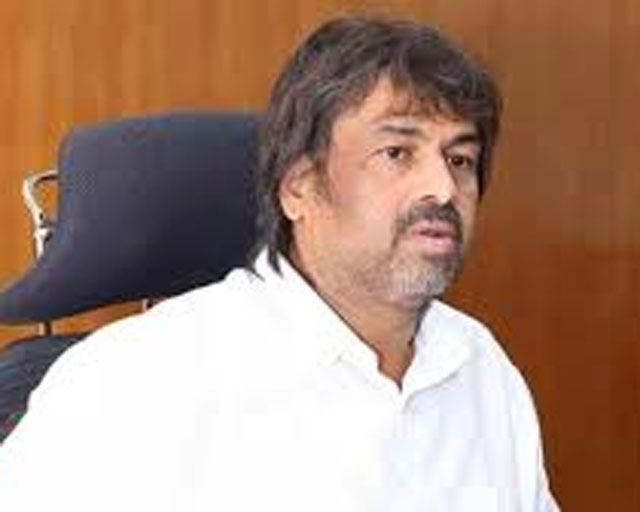
Bengaluru, Mar 27: In a major reform aimed at reducing academic pressure on students, Karnataka’s School Education and Literacy Minister Madhu Bangarappa announced that the total marks for SSLC examinations will be reduced from 625 to 525, and third language subjects will now be assessed through a grading system instead of marks.
Addressing a press conference, the minister explained, “Until now, 100 marks were allocated for the third language within the 625-mark SSLC examination. Henceforth, there will be no pass or fail in the third language. The marks obtained will not be considered in the final results; instead, students will be awarded grades such as A, B, C, or D. This system will apply to all third languages in the curriculum, including Hindi, Sanskrit, Tulu, Marathi, and Arabic. An official order will be issued shortly.”
The minister further clarified that students may continue to appear for the third language exam, but these 100 marks will not be included in the total, which will now be out of 525. “Students’ scores will reflect only the marks obtained in the other subjects. This reform will be implemented starting with the 2026 SSLC examinations,” he added.
Madhu Bangarappa also highlighted that Hindi will no longer be a compulsory third language, and in Urdu-medium schools, Kannada will continue as the third language. “We will ensure that Kannada students do not face any disadvantage. Appropriate regulations will be put in place,” he said. Schools following CBSE or ICSE curricula are not affected by this policy.
The minister emphasised that these reforms form part of the government’s broader effort to reduce students’ examination stress and enhance transparency in the evaluation system. “Conducting only three annual tests allows students better opportunities to secure good marks,” he noted.
In addition, Madhu Bangarappa announced the distribution of free ‘Moral Science’ textbooks to students from this academic year, describing it as a step to nurture responsible and ethical citizens.
He also addressed social media usage among children, stating that restricting access for those under 16 had received widespread support in legislative discussions. “This issue cannot be resolved by the government alone; parents must take greater responsibility for monitoring their children’s mobile usage,” the minister appealed.
These changes, the minister said, are aimed at strengthening public schools, reducing undue academic pressure, and ensuring that students’ learning remains holistic, while also giving importance to moral and value-based education.
Photos


